

Therapeutic Yoga in Houston, Tx

THE BODY LEFT BEHIND

When Disconnection Has Become the Default

You understand more than you used to. The insight is real. You can trace the patterns, name the experiences that shaped them, and see how the past connects to the present.


And your body still doesn't feel entirely like yours.


For many people who have lived through trauma, an eating disorder, or chronic disconnection from themselves, the body became a place to manage rather than inhabit. Something to monitor, control, or get through the day in. Not somewhere that felt safe to be.


Talk therapy can reach a great deal. What it sometimes can't reach is the nervous system that stays activated, the chronic tension that won't release, the sense of inhabiting your own physical self from a distance.


Therapeutic yoga at Houston Healing Collective was built for exactly that gap.

Jennifer Lancaster sitting on a couch.
Jennifer Lancaster of Houson Healing

A DIFFERENT KIND OF PRACTICE

This Is Not About Poses, Performance, or Burning Calories

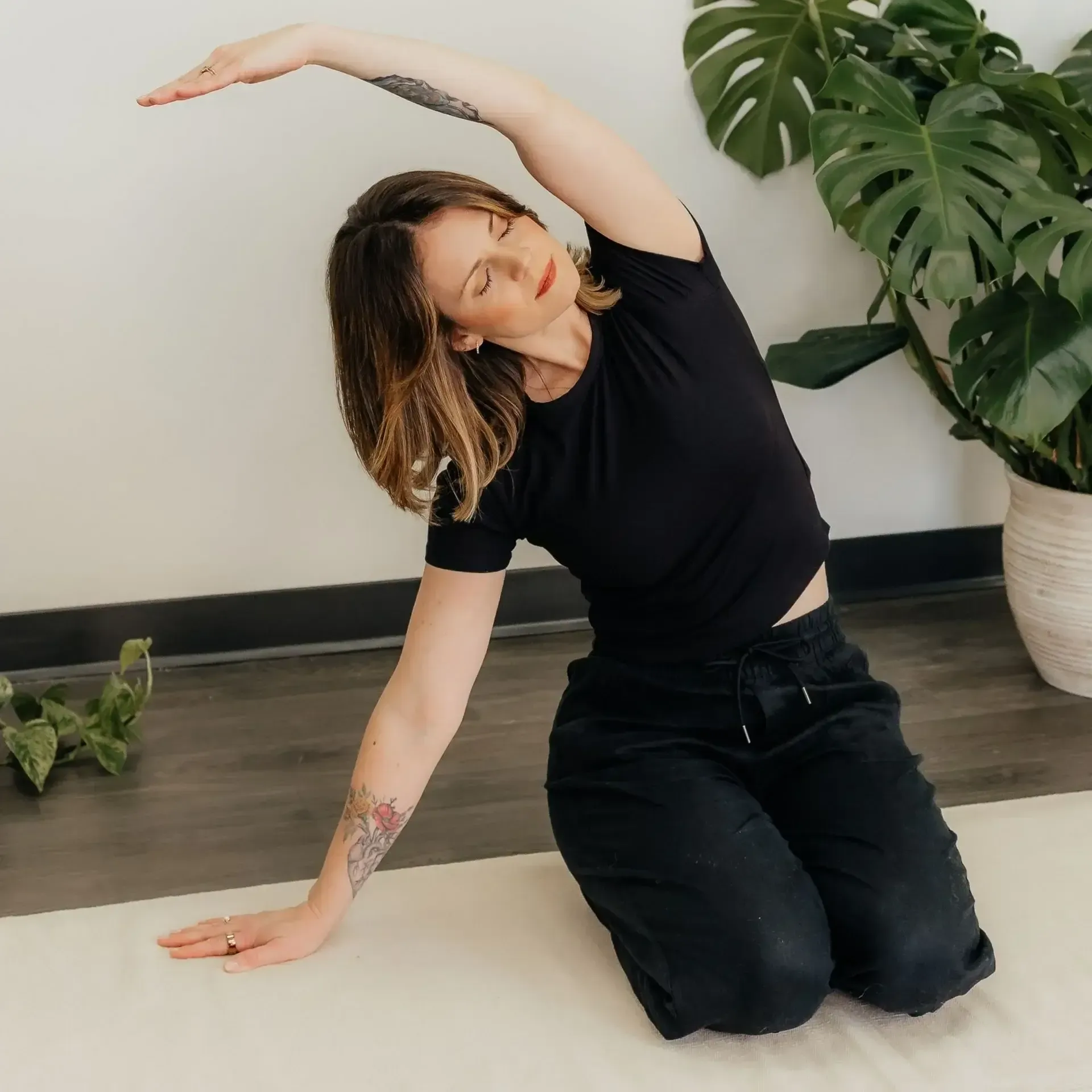
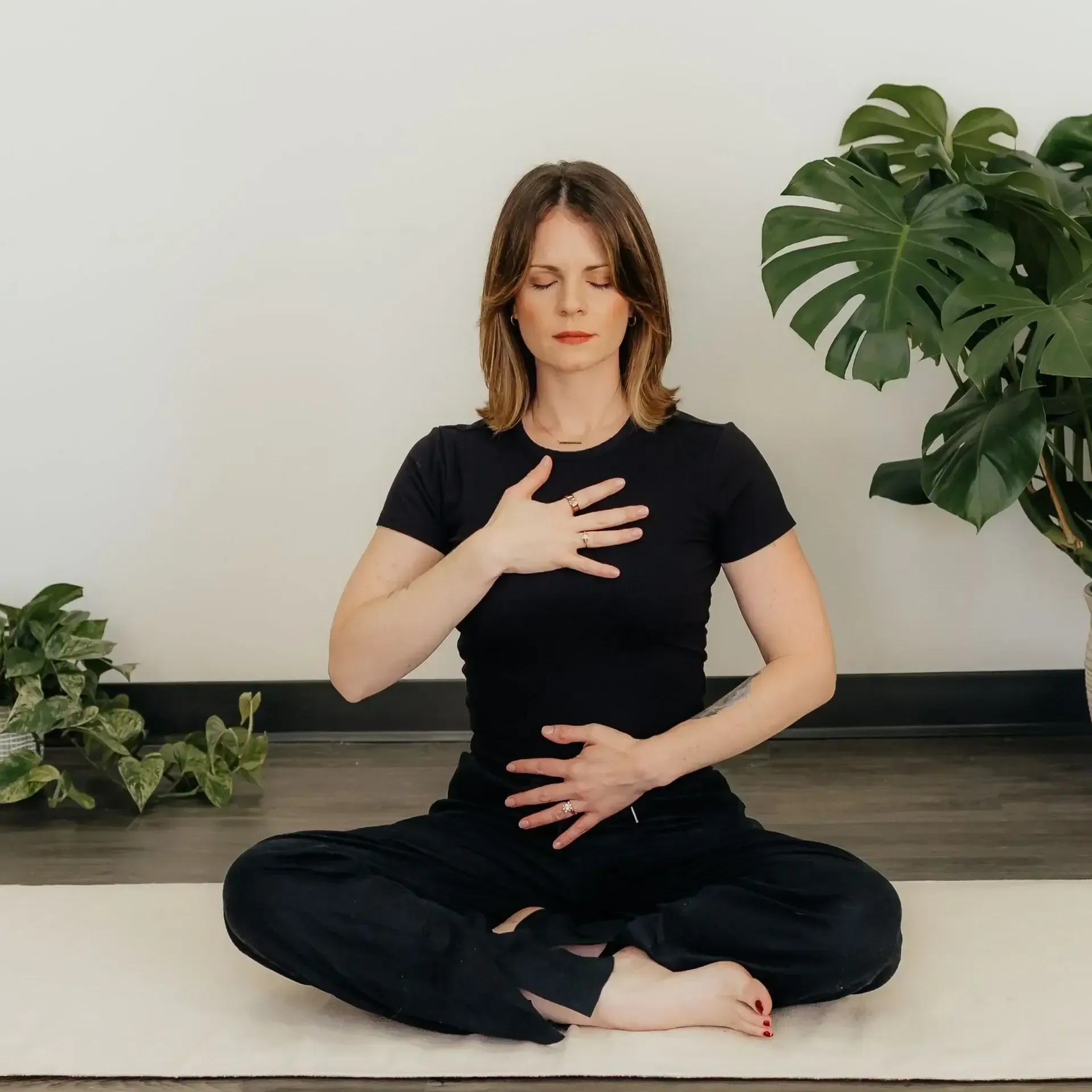
Therapeutic yoga at HHC draws from the full depth of the yogic tradition: breath, movement, stillness, and meditation, woven together with clinical intention.


This is not a fitness class. Groups and individual sessions are not organized around performance, calories, or the perfect pose. The practice creates space for turning inward, building self-awareness, and cultivating a more compassionate relationship with the body and mind.


For clients navigating trauma or eating disorder recovery, that distinction matters deeply. The body has often become a source of distress or a site of control rather than a place of safety. This work moves in the opposite direction, restoring the relationship with the body at a pace the nervous system can tolerate, without performance or expectation.


Therapeutic yoga at HHC also serves as a clinical tool for clients integrating psychedelic medicine sessions including ketamine-assisted therapy. Movement, breath, and stillness create a supported way to process and ground what the medicine has surfaced, in the body rather than only in the mind.

A TEAM BUILT FOR THIS

How We Work With Therapeutic Yoga at Houston Healing Collective

Our yoga instructors bring personal and professional experience with the populations we serve. Each found their way to this work through their own experience of how yoga, beyond just the physical practice, changed their relationship with their nervous system and their body. That shapes how they teach.


We offer trauma-informed yoga, yin yoga, and chair yoga. All formats are organized around safety and comfort before performance, and are accessible to beginners and experienced practitioners alike.


Our instructors work with people navigating chronic pain, a complicated relationship with their body, and those engaged in psychedelic-assisted therapy work. Therapeutic yoga at HHC is available in individual and group formats and is integrated alongside clinical treatment for clients working with our therapists on trauma, eating disorders, or ketamine-assisted therapy.

Houston Healing Team Photo
  • Yoga Instructor at HHC:

    Andrew Drahuschak, RYT-200 Yoga Instructor

  • Working together, you may find:

    A practice that prioritizes choice, safety, and internal awareness over performance or flexibility


    Individual and group formats adapted to your body, your history, and your pace


    A complement to the clinical work already happening in the therapy room


    A supported way to integrate ketamine or psychedelic medicine sessions through movement and breath

Wondering If Therapeutic Yoga Might Help?

The consultation is free. A real conversation about where you are and whether yoga as a clinical tool makes sense alongside the other work you're doing.

WHAT CLIENTS OFTEN NOTICE

What's Possible Through Therapeutic Yoga in Houston

Many clients describe a gradual shift in the relationship with their body over time. Not performative body positivity. Something quieter. The ability to tune in rather than tune out. To sense and feel without judgment. To meet the body with compassion rather than control.

White background with a small black four-point starburst in the top-left corner.

More Sense of Presence

Some clients find the body starts to feel less like something to manage and more like somewhere to be.

Small black starburst symbol in the upper-left corner on a blank white background

A Quieter Nervous System

Breath-based practice may support nervous system regulation in ways that carry into daily life. The activation that has felt constant may start to have moments of stillness.

Small black starburst icon in the top-left corner on a blank white background

More Access During Clinical Work

Clients often find that yoga alongside therapy deepens what becomes available in both. The body is more present in the therapy room. The clinical insights have somewhere to land.

THREE WAYS IN

The Yoga Formats We Offer at Houston Healing Collective

Sessions and groups at HHC are adapted to each person's body, history, and clinical context. Three specific formats are available.

  • Gentle, Trauma-Informed Yoga

    The foundation of the work at HHC. Rather than focusing on performance, flexibility, or achieving a pose, this practice prioritizes choice, safety, and internal awareness. Clients are consistently offered options and invited never directed to explore movement at their own pace. This approach is particularly meaningful for those who have experienced trauma or a complicated relationship with their body, working gradually to restore a sense of agency and trust within oneself. Over time, this kind of practice becomes a powerful complement to clinical treatment, supporting the nervous system and deepening the embodiment work happening in the therapy room.

  • Yin Yoga

    A slower, more receptive practice that offers a counterbalance to the hypervigilance that often accompanies trauma, chronic stress, and eating disorders. Poses are held for longer periods, inviting the body to release tension in the connective tissue and fascia. Working with this layer gently over time can support nervous system regulation, increased body awareness, and a growing sense of safety within oneself.

  • Chair Yoga

    Chair yoga makes this work accessible to all bodies and all abilities. Using a chair for support, clients can experience the same benefits of breath-based movement, nervous system regulation, and mindful embodiment without the physical demands of a traditional yoga practice. For clients with chronic pain, injury, or significant body distress, chair yoga is often the right starting point.

Jennifer Lancaster of Houson Healing

WHERE THIS FITS IN THE CLINICAL PICTURE

When Therapeutic Yoga Is Part of a Larger Treatment Plan

Therapeutic yoga at HHC is not a standalone wellness service. It is a clinical tool most often used alongside individual therapy, EMDR, or ketamine-assisted therapy for clients whose recovery involves rebuilding a relationship with their body.


For clients in eating disorder recovery, yoga offers a supported, non-performance context for reconnecting with body signals in a way that therapy sessions alone sometimes can't provide. The practice is always Health at Every Size-informed. No comments about bodies, no performance cues, no pressure toward any physical outcome.


For clients doing ketamine-assisted therapy or psychedelic integration work, yoga, meditation, and breathwork create a supported way to process and ground what the medicine has opened. Movement and stillness help the body participate in the integration, rather than leaving it solely to the thinking mind.


For trauma clients, the practice builds nervous system regulation and embodied presence that makes the deeper clinical work more accessible. Many clients find that what shifts in a yoga session shows up differently in their next therapy appointment.

A PRACTICE FOR ALL BODIES AND ALL ABILITIES

Starting Therapeutic Yoga in Houston

You don't need prior experience, a certain body type, or to think of yourself as someone who does yoga. If you've ever felt disconnected from your body and wondered what it might feel like to come back to it, that's enough.

1

Step 1: Reach Out

Let us know you're interested and a little about what you're working on. We'll be in touch to talk about group or individual sessions and what approach best fits your needs.

2

Step 2: A Brief Conversation

Before your first session we'll spend time understanding your history and what you're hoping the practice might offer.

3

Step 3: Begin at Your Own Pace

Sessions begin where your body is, not where a yoga class expects you to be. The practice unfolds at a pace that belongs to you.

WHAT THE WORK REVEALS

How Clients Come to Experience Their Bodies Differently

As the practice develops, many clients describe a shift in their relationship with their body.


  • That the practice was not what they expected. No pressure, no performance, no correction. Just an invitation to notice what was already there.

  • That over time they started to reconnect with the cues, sensations, and emotions in the body they had tuned out or stopped trusting.

  • That they learned to meet the body with curiosity and compassion rather than criticism or control.

  • That the breath became a tool they could actually use, to quiet the mind, to regulate the nervous system, to come back to the present moment.

  • That meditation and stillness were more accessible than they expected. The practices met them where they were.

  • That what shifted in a yoga session often showed up differently in their next therapy appointment.

  • That the practice became something they wanted rather than something prescribed. That distinction mattered.
Jennifer Lancaster of Houson Healing

QUESTIONS WE HEAR OFTEN

Frequently Asked Questions About Therapeutic Yoga in Houston

  • Do I need yoga experience to start?

    No. Most clients who come to therapeutic yoga at HHC have little or no prior yoga practice. What you bring is not a practice it is your body, your history, and your willingness to show up. The first session is designed around where you are, not where a traditional yoga class would expect you to be.

  • How is therapeutic yoga different from a regular yoga class?

    Most yoga in Western culture has been organized around the physical: strength, flexibility, and the postures. But in the full tradition of yoga, the poses are one small part of a much larger practice that includes breath, meditation, stillness, and the cultivation of inner awareness.

    Therapeutic yoga at HHC draws from that fuller tradition. There are no performance cues, no adjustments without consent, and no pressure toward any physical outcome. The practice is structured around the nervous system, your clinical context, and what is right for you specifically, not a fixed class format.

  • Is therapeutic yoga appropriate if I have a complicated relationship with exercise or movement?

    Yes. This is one of the primary populations we work with. For clients with eating disorders or a history of using exercise in compulsive or distressing ways, therapeutic yoga is explicitly not about calories, output, or physical performance. It is about the relationship with the body itself. Andrew is trained to hold that distinction carefully, and the entire structure of the practice is built around it.

  • Can I do yoga alongside my individual therapy or ketamine sessions at HHC?

    Yes, and this is often the most effective way to use it. Therapeutic yoga is specifically designed to complement the clinical work happening in individual sessions, supporting nervous system regulation between appointments and providing an embodied space for integration alongside EMDR or ketamine-assisted therapy. Many clients use all three together. Your therapist and the yoga instructor communicate about your clinical context with your permission.

  • Is this available for groups as well as individuals?

    Yes. Both individual and group formats are available. Group sessions create their own clinical dimension practicing alongside others who are doing similar work can reduce isolation and add a layer of relational safety to the embodiment practice. If you are interested in group formats, ask about current offerings when you reach out.

ONE CONVERSATION IS ENOUGH TO START

When You're Ready to Come Back to Your Body

Your body doesn't have to be another thing to manage. The practice meets you where you are.

The consultation is free. A real conversation, not a commitment. We'll tell you honestly whether we think we can help.