

FAQ and Free Resources
If you are here, you have already done some of the work. You found us, you looked around, and something felt like a possible fit. Below are the questions people most often have before they reach out, plus a few free resources if you want to keep reading before you are ready to book.
Frequently Asked Questions
LOGISTICS
How do I get started?
Free 15-Minute ConsultationThe first step is a free 15-minute consultation. You can book directly through the button on this page or reach out by phone or email. In that call, we listen to what is going on, answer any questions you have, and tell you honestly whether we think we are the right fit. If we are, we will match you with the therapist who fits your situation best and walk you through what comes next. Nothing is decided until you are ready.
How much does therapy cost?
Session fees depend on the therapist and session type. Our licensed associate therapists offer individual therapy starting at $130 for a 45-minute session. Jennifer Lancaster, LCSW-S, offers individual therapy starting at $205. Group therapy is $65 per session. Full fee information, including ketamine-assisted therapy rates, is on our Contact and Fees page.
Do you take insurance?
Being a private-pay practice allows us to protect your privacy and provide care based on clinical need rather than insurance-defined treatment parameters. We provide an itemized superbill after each session that you can submit to your insurance company for possible out-of-network reimbursement. Many clients receive partial reimbursement this way. We recommend calling your insurance provider before your first session to ask specifically about your out-of-network mental health benefits. Limited financial assistance and payment plans are also available for clients who need them.
SAFETY
Is everything I share confidential?
Yes. What you share in therapy is confidential. There are three situations where we are legally required to break confidentiality: if there is an immediate risk of harm to yourself or someone else, if there is suspected abuse or neglect of a child, or if we receive a court order. Outside of those situations, nothing you share leaves the room without your written consent. We take that seriously.
Will you judge me for what I share?
No. The things people feel most ashamed of or afraid to say out loud are usually the things that bring the most relief when they finally do. Our team works with complex, sensitive situations every day. Trauma, disordered eating, relationship rupture, substance use, OCD, the parts of yourself you have kept hidden because you were not sure they were safe to show. None of it surprises us. None of it changes how we see you.
What if we're not a good fit?
That is a fair and reasonable thing to wonder, and we would rather you ask it than let it stop you from reaching out. The consultation call exists partly for this reason to give both of us a sense of whether this feels right before you commit. If you start working with a therapist and it does not feel like the right match, we will talk about it. We can adjust the approach, try a different clinician within the practice, or help you find someone outside of HHC who fits better.
FIT
I've tried therapy before and it didn't help. Why would this be different?
This is one of the most common things we hear. What we can say is that the approaches we use, EMDR, ketamine-assisted therapy, IFS-informed work, ERP for OCD, go further than traditional talk therapy for many people who have hit a ceiling elsewhere. If what you have tried before was not specifically designed for what you are dealing with, the results often reflect that. We work with complexity. We are also honest with you if we think something else would serve you better.
What is ketamine-assisted therapy and is it right for me?
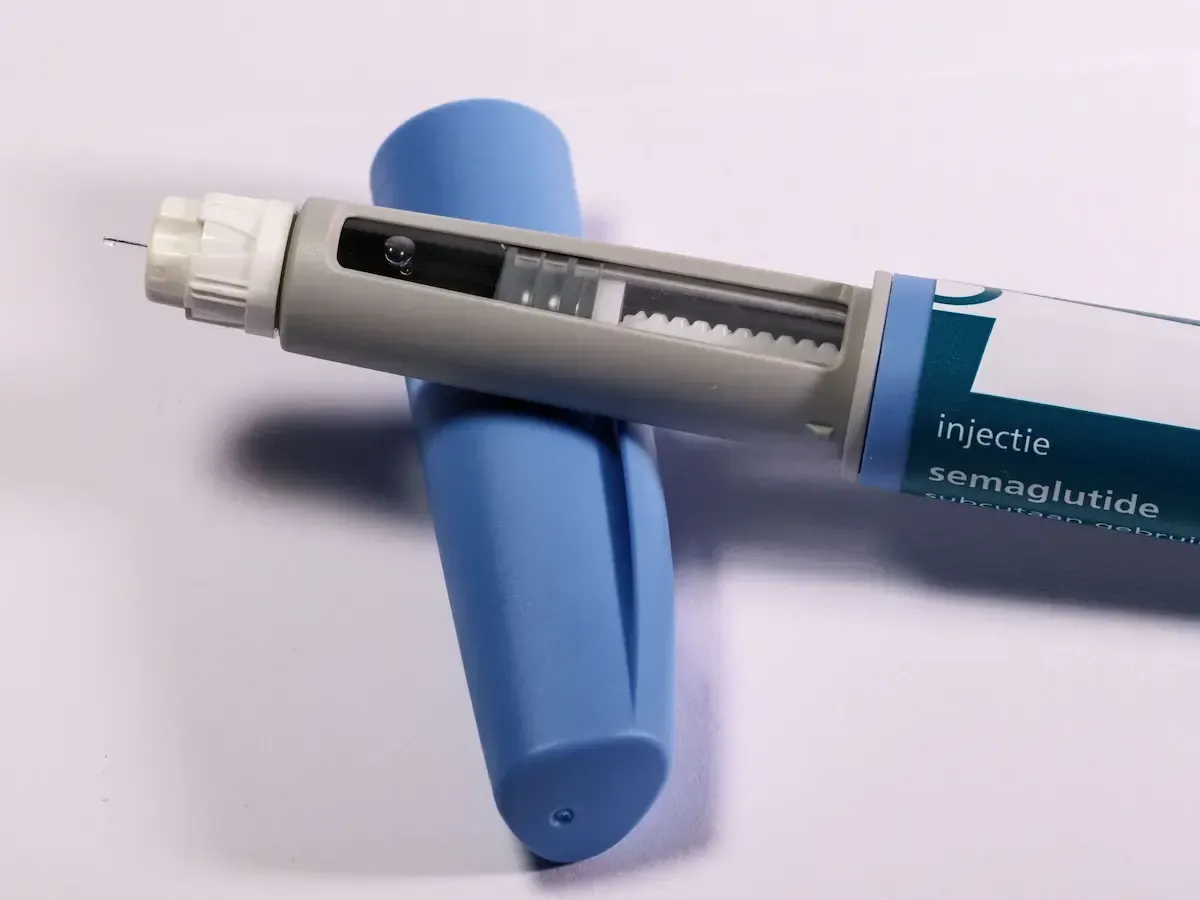
Ketamine-assisted therapy (KAP) uses ketamine as part of a structured therapeutic process, not as a standalone infusion. Here, that means preparation sessions before any medicine work, clinical support during the experience, and integration therapy afterward to work with what came up. It is most often a fit for people who have tried other approaches and found something has not moved. A clinical evaluation is required before beginning, which is how we determine whether it makes sense for your situation.
PROCESS
What happens at the first session?
The first session is mostly a conversation. Your therapist will ask about what brought you in, a bit of your history, and what you are hoping for. You do not need to share everything right away or have it perfectly organized. Most people find it feels more like talking than being assessed. The direction and depth of the work develops from there. You will leave with a clearer sense of how your therapist works and what the process might look like.
How often will I need to come, and how long does it take?
Most people start with weekly sessions. As the work progresses, some move to every other week. How long therapy takes depends entirely on what you are working on. Some people come for six months and get what they came for. Others are in longer-term work because what they are exploring is deep and ongoing. We check in on progress regularly and adjust as needed. We do not operate on a fixed number of sessions.
Do you offer online therapy?
Yes. We offer both in-person sessions at our office in Bellaire, Texas, and virtual sessions via telehealth for clients throughout Texas. Many clients prefer in-person for the quality of connection it makes possible. Others find telehealth more accessible given their schedule or location. We can talk about what works best when you reach out.
Blogs


Free Resources
Not quite ready to reach out? These guides were created by the Houston Healing Collective team. Each one is free. Enter your email and it comes straight to your inbox.
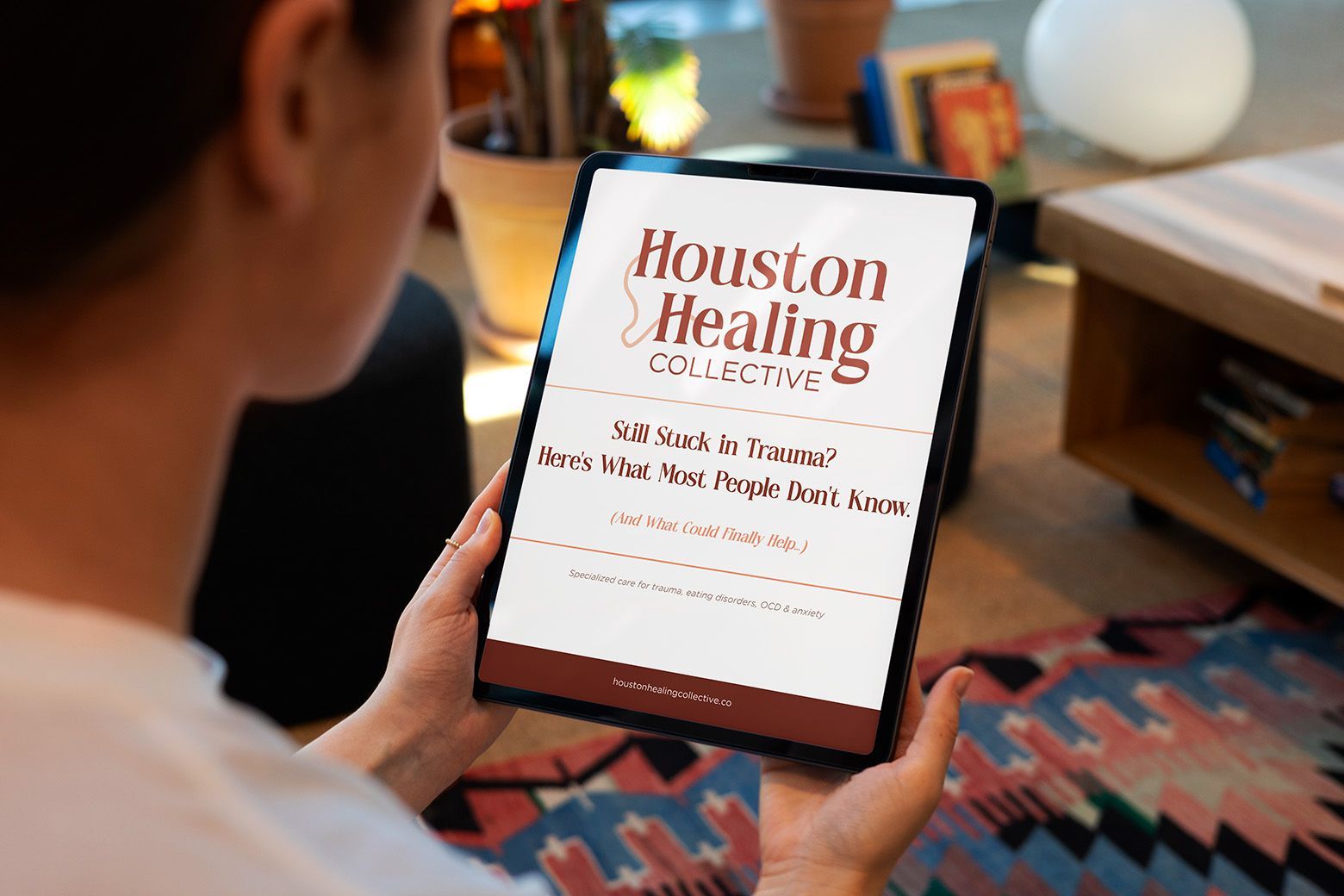
Still Stuck in Trauma? Here's What Most People Don't Know
A free guide on why trauma doesn't resolve the way we expect it to, and what the nervous system actually needs to move. Written for people who have done the reading, done some therapy, and still feel like something hasn't shifted.

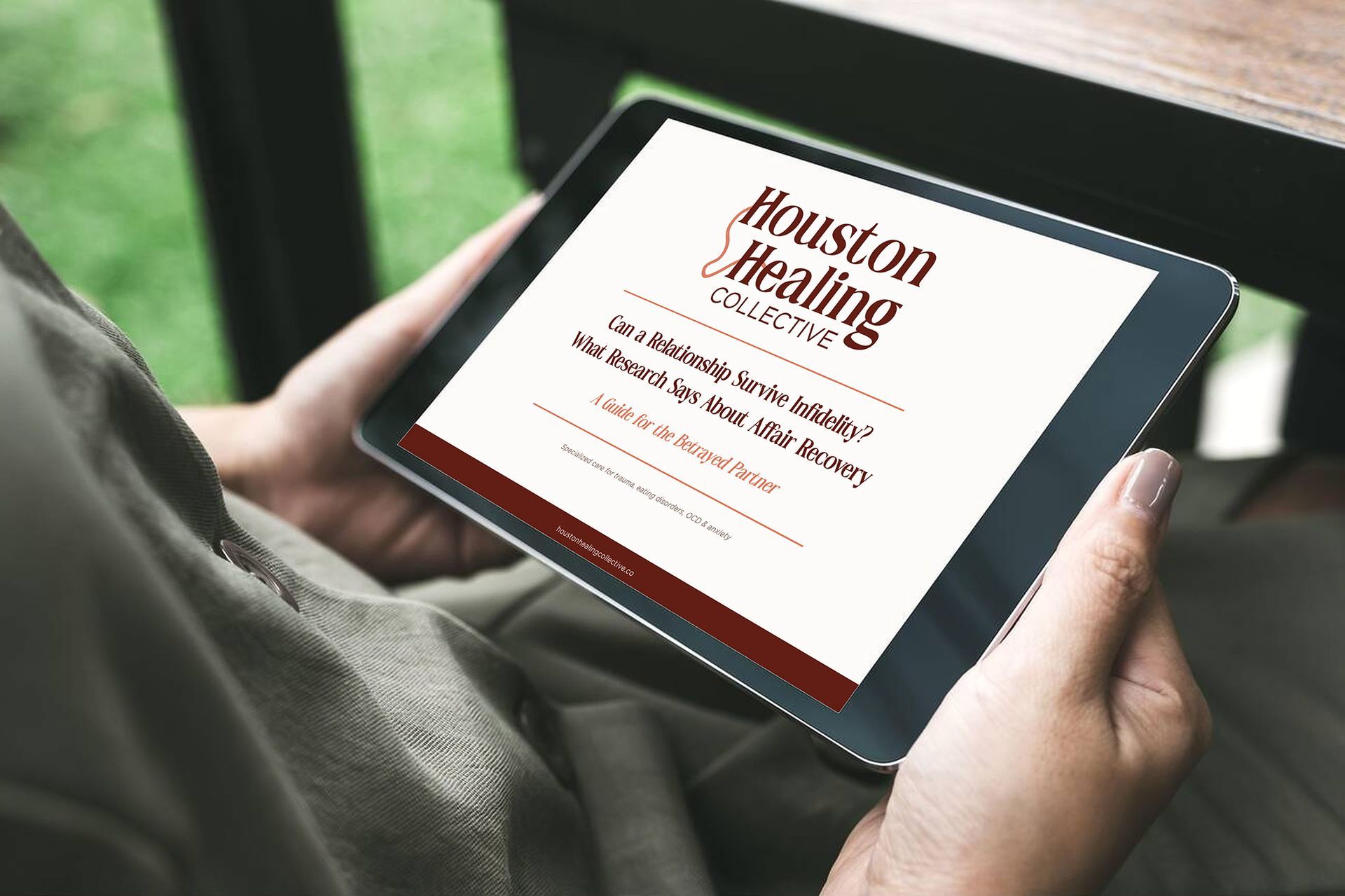
Can a Relationship Survive Infidelity? What the Research Says on Affair Recovery
A free resource on betrayal trauma what the research actually shows about affair recovery, what the work requires from both partners, and how to know whether your relationship has what it takes to come back from it.

Making Meaning After the Medicine
A free guide to ketamine therapy integration. What to do with what came up in a session or retreat, how to work with the material over the days and weeks that follow, and how to make the most of the window that opens after medicine work.

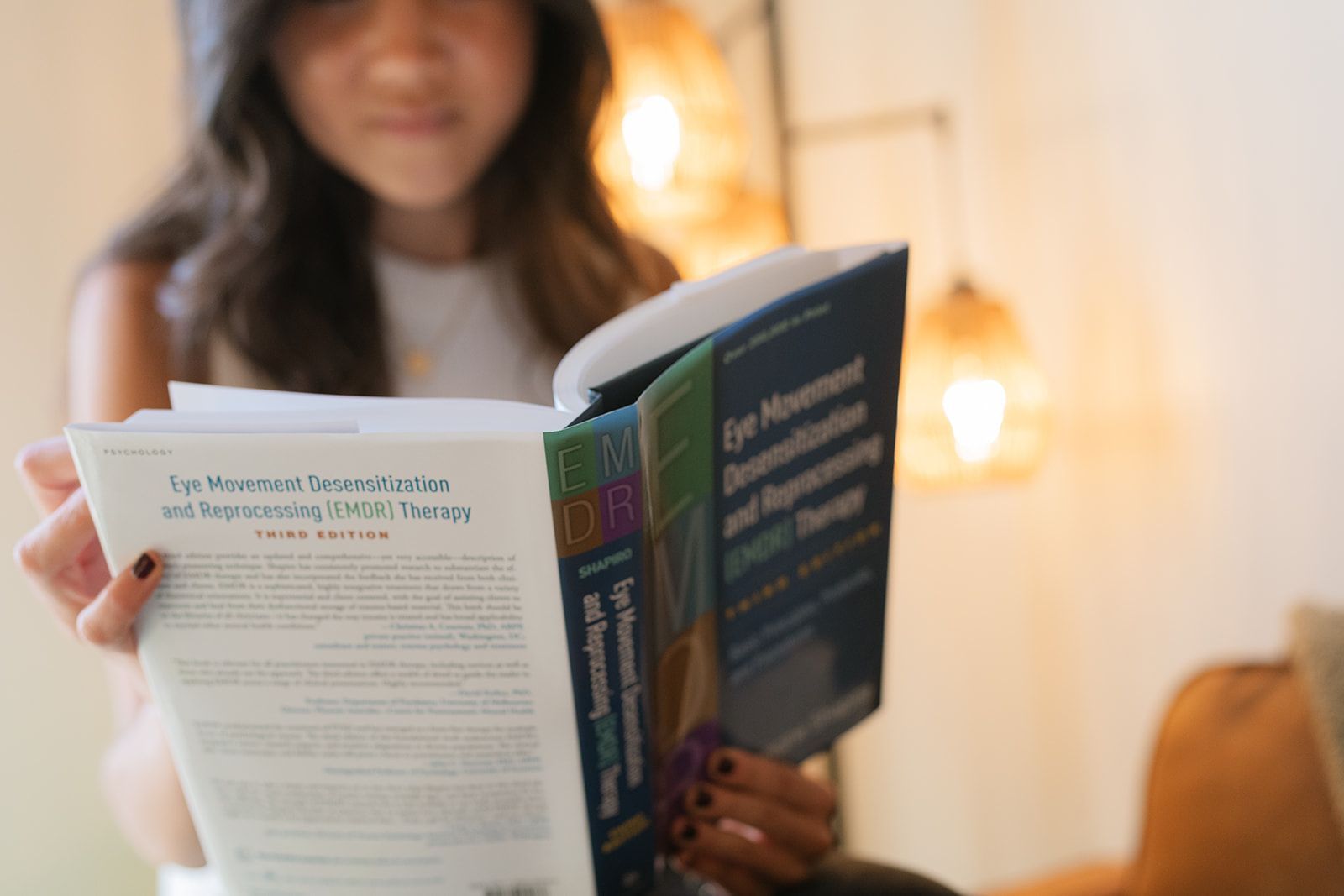
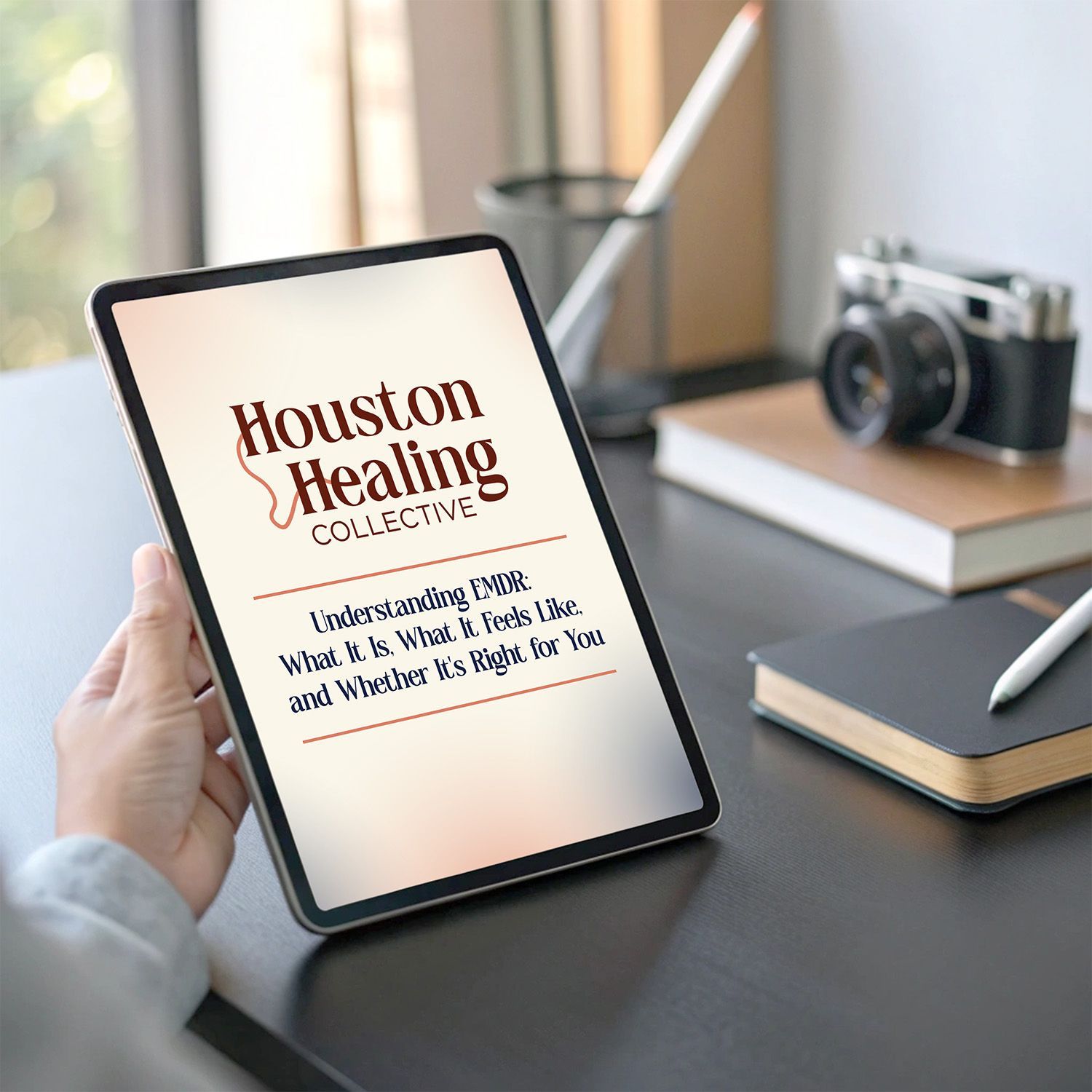
Understanding EMDR: What It Is, What It Feels Like, and Whether It's Right for You
A free guide to EMDR - what the therapy actually involves, what people typically experience during a session, and how to know if it's a good fit for where you are right now. Written for people who are curious but not sure what to expect, or who've heard it works but don't quite understand why.
COMING SOON

Have a Question We Didn't Answer?
Reach out and ask directly. There are no questions too small or too early. The consultation is free and there is no obligation.