



Adolescence and Eating Disorders: What You Need to Know

Jennifer Lancaster • September 5, 2025

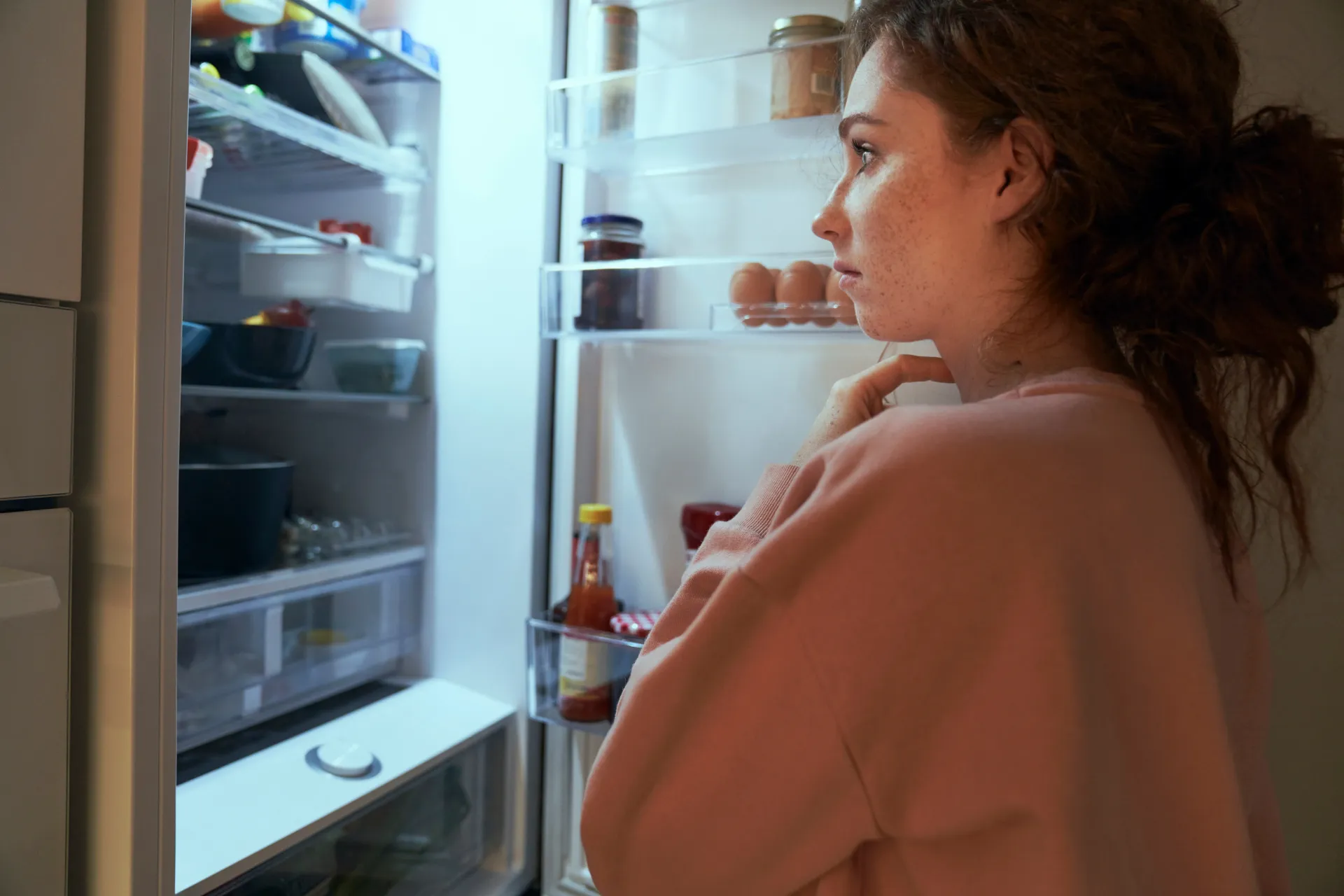
Adolescence is a time of big changes. Teenagers go through physical growth, mood swings, new friendships, and more pressure at school and home. 

In the middle of all that, many teens struggle with food and body image. That’s why understanding adolescence and eating disorder issues is so important—for parents, teachers, friends, and teens themselves.

What Is an Eating Disorder?

An eating disorder is more than just being picky with food or wanting to lose a little weight. It’s a serious mental health condition that affects how a person thinks about food, their body, and their self-worth.

Common Types of Eating Disorders

Anorexia Nervosa

Teens with anorexia often eat very little, exercise too much, or both. They usually have a strong fear of gaining weight.

Bulimia Nervosa

This involves a cycle of binge eating (eating a large amount of food at once) followed by purging (vomiting, using laxatives, or exercising too much).

Binge Eating Disorder

Unlike bulimia, binge eating disorder is not followed by purging. People feel out of control during binges and often feel guilty afterward.

Avoidant/Restrictive Food Intake Disorder (ARFID)

Some teens may avoid food due to fear of choking, texture issues, or a general lack of interest in eating—not because of weight concerns.

Why Do Eating Disorders Often Start in Adolescence?

Body Changes and Body Image

Puberty changes the body quickly. For some teens, these changes cause anxiety or discomfort. Girls may gain curves, and boys may feel pressure to look more muscular. Comparing themselves to others, especially on social media, can make them feel like they don’t measure up.

Peer Pressure and Social Media

Friends and classmates can have a big influence during the teen years. If a teen hears negative comments about weight or sees filtered, edited images online, they may start to think their body isn’t “good enough.”

Family Expectations and Stress

Some teens feel pressure from home to succeed in school or sports. Others may live in a household where weight or appearance is constantly discussed. Stress, whether from family issues or personal problems, can lead to using food as a way to cope.

Mental Health Struggles

Adolescence and eating disorder issues are often linked with other mental health problems like anxiety, depression, or low self-esteem. Teens may use disordered eating to feel in control when other parts of their life feel out of control.

Warning Signs of an Eating Disorder in Teens

It’s not always easy to spot an eating disorder, especially early on. Some teens are good at hiding their behavior. But here are a few signs to watch for:

Physical Signs

  • Sudden weight loss or gain
  • Dizziness or fainting
  • Hair thinning or dry skin
  • Feeling cold all the time
  • Irregular or missed periods

Emotional and Behavioral Signs

  • Seeming moody, sad, or anxious
  • Talking too much about weight, food, or body shape
  • Skipping meals or eating very small portions
  • Going to the bathroom right after meals (possibly to vomit)
  • Avoiding eating around others
  • Exercising too much, even when tired or injured

How to Help a Teen Struggling with an Eating Disorder

Start the Conversation

If you’re a family, parent, teacher, or friend, it’s okay to talk about your concerns. Choose a quiet moment and speak gently. You might say something like, “I’ve noticed you’ve been skipping meals a lot, and I’m really worried about you.” Don’t judge or accuse.

Just let them know you care and want to help.

Encourage Professional Help

Eating disorders are medical conditions. That means professional help is needed—just like you would get help for asthma or a broken arm. Encourage the teen to speak to:

Treatment often involves both mental and physical care. In some cases, it may include family therapy too.

Be Supportive, Not Controlling

It’s tempting to try to fix everything right away. But recovery takes time, patience, and support. Instead of pushing food or arguing, focus on being there emotionally. Celebrate progress and avoid focusing on weight or appearance.

Helping Teens Build a Healthier Relationship with Food

Focus on Health, Not Weight

Talk about how food gives us energy, helps our brains think clearly, and keeps our bodies strong. Avoid negative talk about calories, dieting, or “good” vs. “bad” foods.

Lead by Example

Teens notice more than we think. Try to model balanced eating, positive self-talk, and healthy ways to handle stress. Avoid criticizing your own body in front of them.

Limit Social Media Pressure

Encourage breaks from social media, or help them follow accounts that promote body positivity and realness over perfection.

When to Seek Immediate Help

If a teen is showing serious signs of an eating disorder, like fainting, rapid weight loss, or signs of self-harm, it’s time to act quickly. Contact a healthcare provider right away or take them to a hospital if needed. Adolescence and eating disorder conditions can become life-threatening if not treated early.

Final Thoughts

Eating disorders can affect any teen, no matter their background, personality, or lifestyle. But early understanding, support, and treatment can make a huge difference.

If you’re a teen going through this, know that you are not alone, and help is available through eating disorder therapy with Houston Healing Collective. If you’re someone who cares about a teen, your kindness, patience, and support can be life-changing.

Learning more about adolescence and eating disorder topics is the first step toward making things better for you, your family, or someone you love.

If you feel ready to take the next step in healing, we’re here to support you. You can begin by reaching out to our therapy team for a free, 15-minute consultation. During this call, we’ll listen to your story, talk through where you are right now, and explore what kind of care and support might feel most helpful for you.

Houston Healing Logo

Healing Beneath the Surface

If you are in Houston and something in this article felt familiar, you don't have to keep figuring it out alone. Reach out today and book a free 15 minute consultation.


Recent Posts

Person holding EMDR bilateral stimulation buzzers during a ketamine-assisted EMDR therapy session
By Jennifer Lancaster May 3, 2026
KA-EMDR combines low-dose ketamine with EMDR to reach trauma that standard therapy can't. Houston Healing Collective explains how it works and who it's for.
Three people sitting and talking on a patio with wicker chairs and a small table of flowers
By Jennifer Lancaster April 30, 2026
When someone in a family is struggling with an eating disorder, the whole family feels it. Mealtimes become something to get through rather than something to share. Conversations get careful — everyone measuring their words, afraid of saying the wrong thing. Parents don’t know whether to push or back off. Partners feel shut out. And […] The post Family Therapy for Eating Disorders in Houston: A Trauma-Informed Approach appeared first on houstonhealingcollective.co.
Two people talking on a couch in a bright living room, one seated with knees hugged to chest
By Jennifer Lancaster April 30, 2026
Eating disorders develop from a combination of factors — genetics, environment, diet culture, perfectionism, and social media all play a role. But for many people these explanations are part of a larger, more complex picture. There’s a deeper connection that most of these explanations miss — one that research is increasingly confirming and that has […] The post What Causes Eating Disorders? The Missing Trauma Link appeared first on houstonhealingcollective.co.
Two people talking in a bright counseling office, one holding a notebook.
By Jennifer Lancaster April 28, 2026
If you’ve spent years at war with your body — cycling through diets, avoiding mirrors, shrinking yourself in photographs, or lying awake cataloguing everything you wish were different — you’ve probably heard a range of advice to practice more discipline, more self-acceptance, or more gratitude for what your body can do.
Jennifer Lancaster practicing somatic breathwork in trauma-informed yoga for eating disorders
By Jennifer Lancaster April 26, 2026
Trauma-informed yoga for eating disorders isn't about exercise, it's about body reconnection. Houston therapists explain how somatic practice supports recovery.
Stack of eating disorder recovery books on a marble countertop at a Houston eating disorder therapy
By Jennifer Lancaster April 26, 2026
Eating disorder recovery is hard when trauma goes untreated. Houston therapists explain the missing link, and how trauma-focused therapy changes everything.
Couple in a therapy session discussing desire discrepancy and sexual intimacy in Houston
By Jennifer Lancaster April 25, 2026
Different sex drives create real distance in relationships. Desire discrepancy affects most couples, learn what causes it and how couples therapy in Houston helps.
A couple in a  Houston therapy session with their therapist, ketamine-assisted couples therapy
By Jennifer Lancaster April 25, 2026
Some couples understand their patterns but still can't break free. Learn how ketamine-assisted couples therapy in Houston reaches where talk therapy can't.
Client lying on a couch with eye mask during a ketamine-assisted psychotherapy session in Houston
By Jennifer Lancaster April 25, 2026
Ketamine-assisted psychotherapy combines low-dose ketamine with guided therapy to access what talk alone can't reach. Houston Healing Collective explains how.
Trauma therapist listening to a client during a betrayal trauma therapy session in Houston, Texas
By Jennifer Lancaster April 24, 2026
Betrayal trauma goes deeper than hurt feelings, it rewires your sense of safety. Houston trauma therapists explain what it is and how recovery is possible.

I'm Jennifer Lancaster

Most of the people I work with look fine from the outside. High-achieving, capable, holding everything together. Underneath that, there's usually longstanding complex trauma, a lot of self-criticism, and a deep exhaustion from never quite getting to the root of it.


I've spent 15 years training specifically in the areas that are considered really difficult to treat. I'm not a cookie-cutter therapist, and I work best with people who aren't looking for quick fixes. If this feels like you, feel free to book a free 15-minute consultation.

Recent Posts:

Person holding EMDR bilateral stimulation buzzers during a ketamine-assisted EMDR therapy session
By Jennifer Lancaster May 3, 2026
KA-EMDR combines low-dose ketamine with EMDR to reach trauma that standard therapy can't. Houston Healing Collective explains how it works and who it's for.
Three people sitting and talking on a patio with wicker chairs and a small table of flowers
By Jennifer Lancaster April 30, 2026
When someone in a family is struggling with an eating disorder, the whole family feels it. Mealtimes become something to get through rather than something to share. Conversations get careful — everyone measuring their words, afraid of saying the wrong thing. Parents don’t know whether to push or back off. Partners feel shut out. And […] The post Family Therapy for Eating Disorders in Houston: A Trauma-Informed Approach appeared first on houstonhealingcollective.co.
Two people talking on a couch in a bright living room, one seated with knees hugged to chest
By Jennifer Lancaster April 30, 2026
Eating disorders develop from a combination of factors — genetics, environment, diet culture, perfectionism, and social media all play a role. But for many people these explanations are part of a larger, more complex picture. There’s a deeper connection that most of these explanations miss — one that research is increasingly confirming and that has […] The post What Causes Eating Disorders? The Missing Trauma Link appeared first on houstonhealingcollective.co.
Two people talking in a bright counseling office, one holding a notebook.
By Jennifer Lancaster April 28, 2026
If you’ve spent years at war with your body — cycling through diets, avoiding mirrors, shrinking yourself in photographs, or lying awake cataloguing everything you wish were different — you’ve probably heard a range of advice to practice more discipline, more self-acceptance, or more gratitude for what your body can do.
Jennifer Lancaster practicing somatic breathwork in trauma-informed yoga for eating disorders
By Jennifer Lancaster April 26, 2026
Trauma-informed yoga for eating disorders isn't about exercise, it's about body reconnection. Houston therapists explain how somatic practice supports recovery.
Stack of eating disorder recovery books on a marble countertop at a Houston eating disorder therapy
By Jennifer Lancaster April 26, 2026
Eating disorder recovery is hard when trauma goes untreated. Houston therapists explain the missing link, and how trauma-focused therapy changes everything.
Couple in a therapy session discussing desire discrepancy and sexual intimacy in Houston
By Jennifer Lancaster April 25, 2026
Different sex drives create real distance in relationships. Desire discrepancy affects most couples, learn what causes it and how couples therapy in Houston helps.
A couple in a  Houston therapy session with their therapist, ketamine-assisted couples therapy
By Jennifer Lancaster April 25, 2026
Some couples understand their patterns but still can't break free. Learn how ketamine-assisted couples therapy in Houston reaches where talk therapy can't.
Client lying on a couch with eye mask during a ketamine-assisted psychotherapy session in Houston
By Jennifer Lancaster April 25, 2026
Ketamine-assisted psychotherapy combines low-dose ketamine with guided therapy to access what talk alone can't reach. Houston Healing Collective explains how.
Trauma therapist listening to a client during a betrayal trauma therapy session in Houston, Texas
By Jennifer Lancaster April 24, 2026
Betrayal trauma goes deeper than hurt feelings, it rewires your sense of safety. Houston trauma therapists explain what it is and how recovery is possible.