


Ketamine for Depression: Is it right for you?

Jennifer Lancaster • September 11, 2025

Feeling stuck in a deep, dark hole with no way out? 

That’s how many people describe depression. While there are many treatments out there—like talk therapy, antidepressants, or lifestyle changes—sometimes they just don’t work. 

That’s where ketamine for depression comes in. It’s getting a lot of attention for helping people feel better fast, especially when nothing else has worked.

What Is Ketamine?

Ketamine has been around for decades. Doctors first used it as a pain reliever and anesthetic during surgeries. 

But researchers later discovered that it can also help people with depression, especially the kind that doesn’t get better with regular medication.

Today, clinics all over the world are using ketamine for depression, offering new hope to people who feel like they’ve run out of options.

How Does Ketamine Work for Depression?

Changing Brain Chemistry Fast

Most antidepressants work by changing brain chemicals like serotonin or dopamine. The catch? They can take weeks to kick in.

Ketamine works differently. It acts on a chemical called glutamate, which helps the brain form new connections. By boosting glutamate levels, ketamine seems to “reset” the brain in a way that can quickly improve mood, sometimes in just hours or days.

Helping with Treatment-Resistant Depression

If you’ve tried two or more antidepressants with little or no improvement, doctors call it treatment-resistant depression. This is where ketamine for depression often comes in.

Many people with treatment-resistant depression have reported major relief after just a few ketamine sessions.

How Is Ketamine Given?

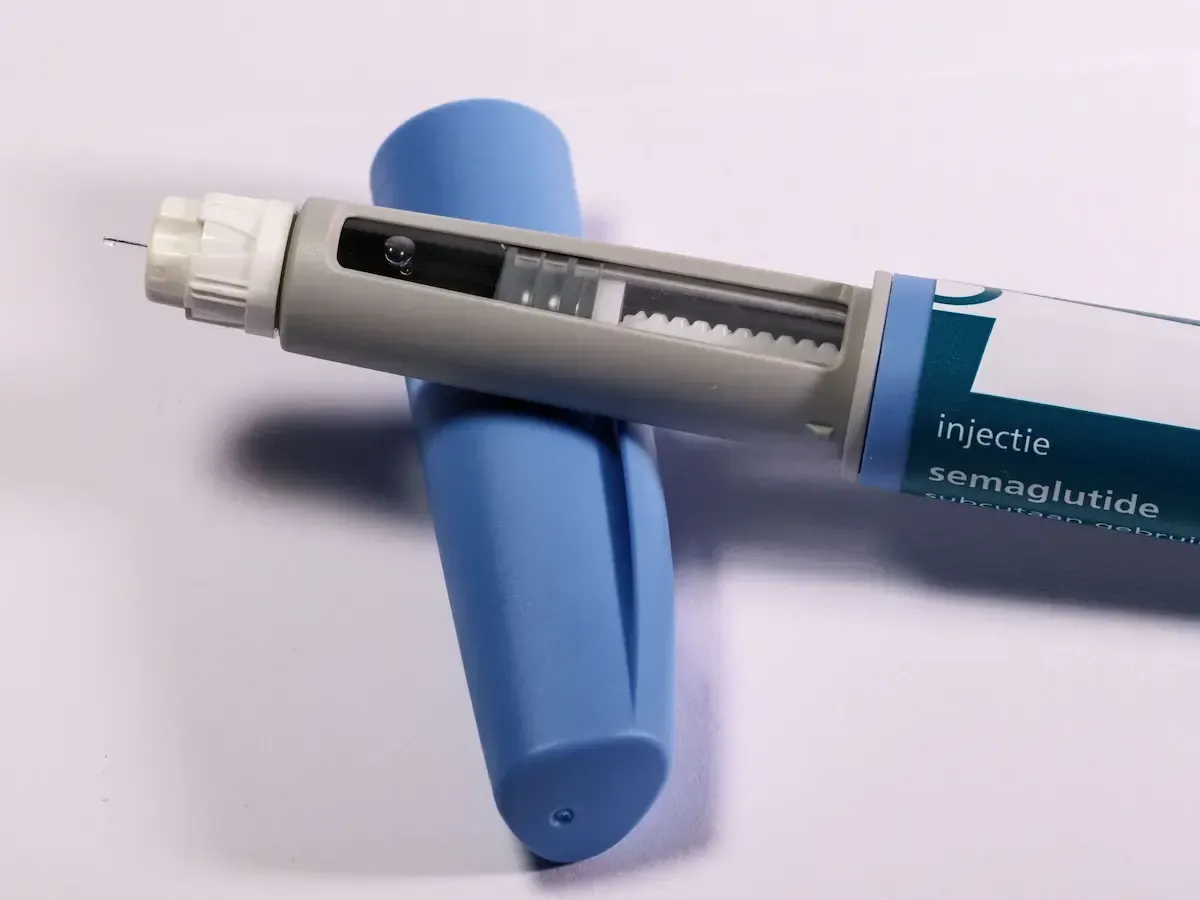
There are a few ways to take ketamine for depression. Each method has its own pros and cons.

IV Ketamine (Intravenous)

This is the most common method. A doctor gives you ketamine through an IV drip in a clinic setting. The session usually lasts about 40 minutes, and you’re closely monitored the whole time.

Nasal Spray (Esketamine)

Esketamine (brand name: Spravato) is a nasal spray version of ketamine. It’s FDA-approved and must be given in a certified clinic under medical supervision.

Sublingual Ketamine

Sublingual ketamine, typically administered as lozenges that dissolve in the mouth, is a widely used option in ketamine-assisted therapy settings. It’s more cost-effective than IV treatments and feels less medical or clinical, which can help clients feel more at ease during the therapeutic process.

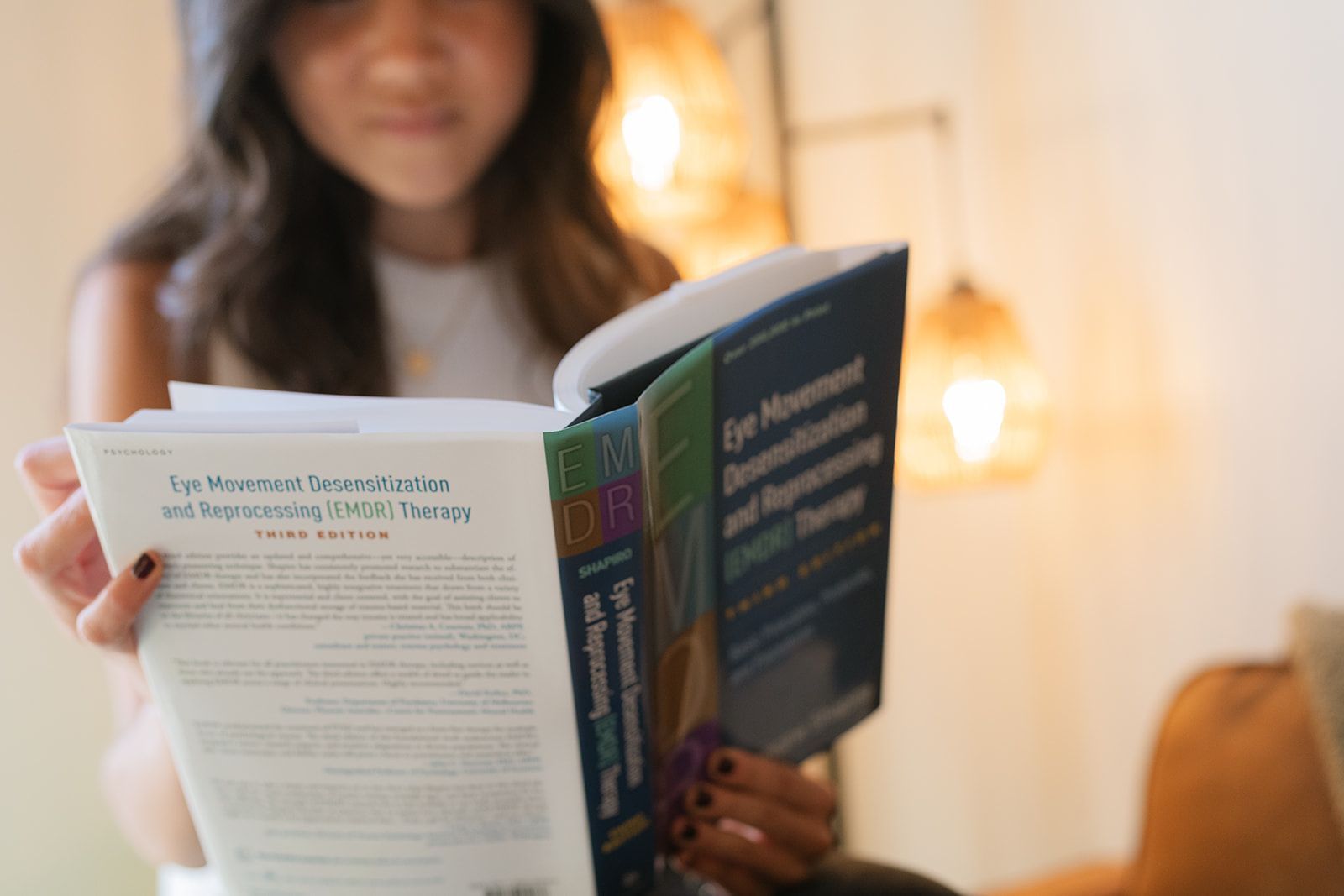
This form of ketamine is especially helpful for trauma work. Its slower onset and gentler intensity allow clients to explore and process difficult emotions without overwhelming the nervous system. Sublingual ketamine also pairs well with therapeutic modalities like EMDR—particularly in ketamine-assisted EMDR—where the combination can enhance emotional integration and support healing.

We use sublingual ketamine as a primary treatment option in our practice. Learn more about our ketamine therapy services.

We also offer intramuscular (IM) ketamine , which provides a deeper and often more immersive experience. IM sessions are typically guided in-session by a trained therapist and may be appropriate for clients seeking a more intensive approach.

What Does a Ketamine Session Feel Like?

The Experience

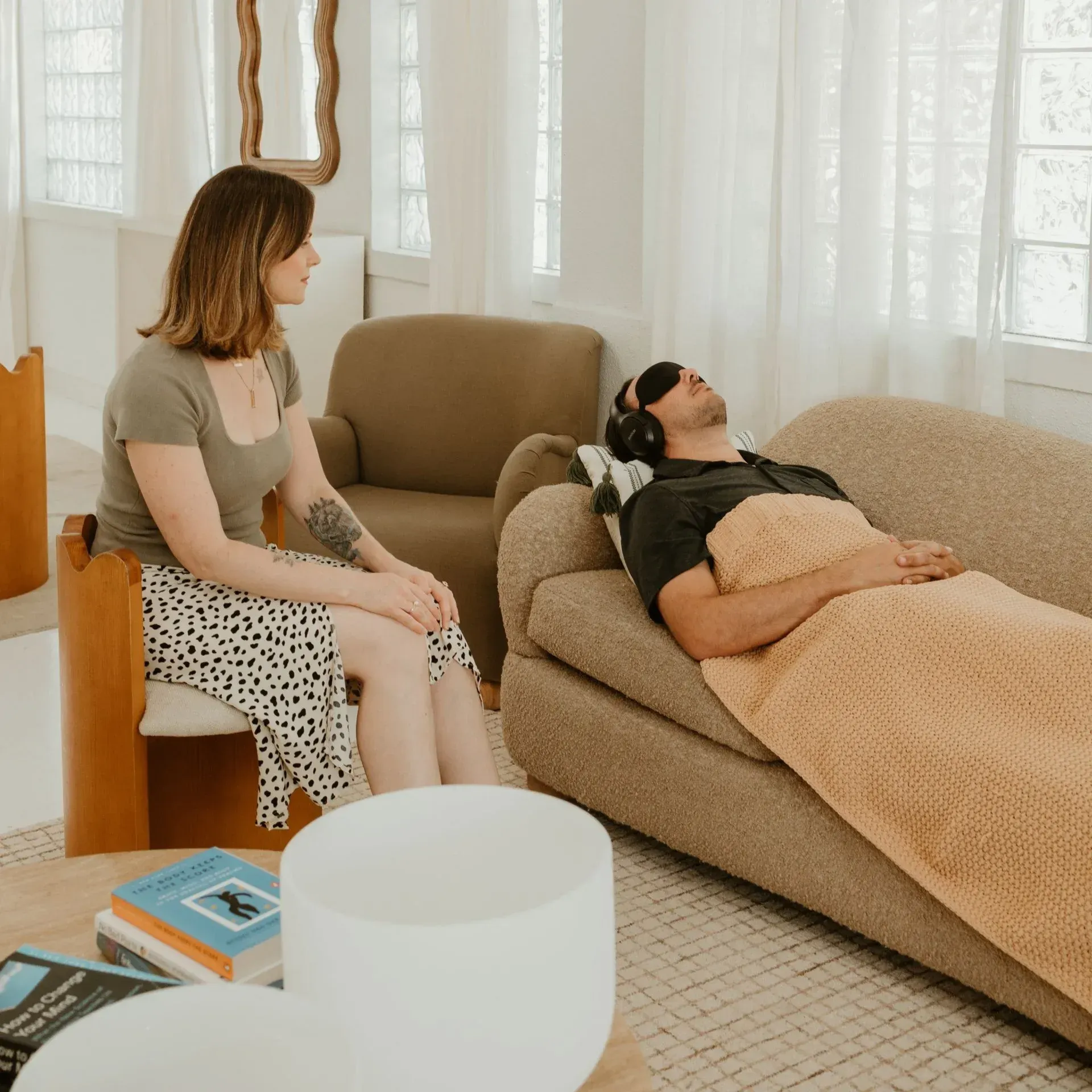
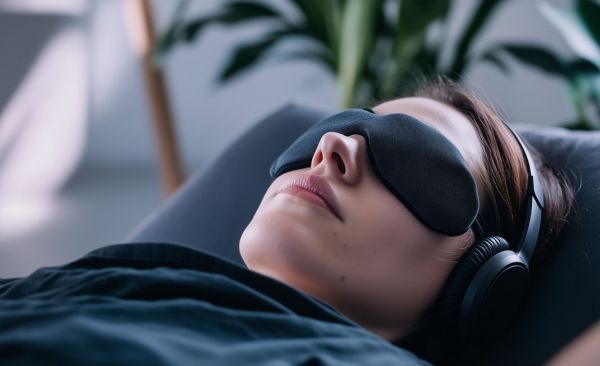
During a ketamine session, you might feel like you’re floating or disconnected from your body. Some people describe it as a dream-like state. You’ll likely be in a quiet room with soft lighting, lying down with your eyes closed or wearing an eye mask.

The effects wear off in about an hour, but you’ll probably need someone to drive you home afterward.

Safety First

You’re always monitored during the session. Clinics check your blood pressure, heart rate, and overall response to the treatment. This helps keep the experience safe and controlled.

How Many Sessions Are Needed?

Most people start with a series of six sessions over two to three weeks. Some notice a big change after just one or two treatments, while others see gradual improvement.

Maintenance and Ongoing Support

As symptoms begin to improve, some clients benefit from ongoing “maintenance” or integration sessions spaced out over time—every few weeks or months, depending on individual needs.

In our practice, ketamine is always provided in combination with therapy. We believe that the real power of ketamine comes from how it’s integrated into the therapeutic process. Continued work with a therapist—during and after your ketamine sessions—is essential for making sense of the insights that arise, supporting lasting change, and preventing symptom relapse.

Rather than viewing ketamine as a one-time fix, we see it as a tool that, when paired with consistent therapeutic support, can lead to deeper and more sustainable healing.

Is Ketamine a Cure for Depression?

It’s Not a Magic Pill

While ketamine for depression can bring rapid relief of symptoms , it’s important to understand that it is not a stand-alone cure . On its own, ketamine can help reduce feelings of hopelessness or break through the weight of depression, but the most lasting benefits come when it is used as part of a comprehensive treatment plan . This often includes therapy, healthy lifestyle changes, and ongoing support from trained professionals who can guide the process.

Ketamine is especially powerful when paired with therapy, as the medicine can create a state of openness and flexibility that allows clients to process emotions and experiences in new ways. Without this therapeutic support, the improvements may fade more quickly.

It’s also not the right fit for everyone. Some people may not respond to ketamine at all, while others may find that its effects wear off if the underlying issues are not addressed. In addition, ketamine must be used with care for individuals with certain medical or psychiatric conditions, which is why proper medical and psychological screening is so important before starting treatment.

When approached thoughtfully and with the right support, ketamine can be a valuable tool for breaking through the barriers of treatment-resistant depression and opening the door to deeper, longer-term healing.

To learn more about how we integrate ketamine with therapy in our practice, you can check out our ketamine therapy services.

Are There Risks or Side Effects?

Like all treatments, ketamine comes with risks. Here are a few things to keep in mind:

Common Side Effects

  • Nausea
  • Dizziness
  • Blurred vision
  • Feeling “out of it” or disconnected
  • Slight increase in blood pressure

These effects usually go away within a few hours.

Long-Term Considerations

While ketamine can be a powerful therapeutic tool, it’s important to use it thoughtfully and under professional guidance. The most well-documented long-term concern is the potential for bladder irritation or urinary symptoms , especially in individuals with a history of bladder sensitivity.

Another risk is misuse , particularly when ketamine is prescribed for at-home use without therapeutic support or oversight. That’s why we believe ketamine treatment should always be paired with structured therapy and provided under careful medical and psychological supervision.

When used in a supported, intentional way, ketamine can be a safe and effective part of long-term

Who Should Avoid Ketamine for Depression?

Ketamine may not be safe for people with certain health conditions, like:

  • Uncontrolled high blood pressure
  • Heart disease
  • History of psychosis (like schizophrenia)

Always talk to your doctor before starting any new treatment, especially one like ketamine.

How Much Does It Cost?

Here’s the tough part: most insurance plans still don’t cover ketamine treatments for depression, anxiety, or PTSD—especially IV or intramuscular (IM) options. Prices for those treatments can range from $400 to $800 or more per session.

At our practice, we offer sublingual ketamine as a more cost-effective alternative , priced at less than one-third the cost of IV or IM treatments. This approach allows more clients to access high-quality, therapy-integrated care without sacrificing safety or effectiveness.

If you’re concerned about affordability, we’re happy to talk through options and help you understand what to expect.

Final Thoughts: Is Ketamine Worth Trying?

If you’ve tried everything and still feel stuck, ketamine for depression might be worth looking into. It’s not a firIs Ketamine Right for You?

If you’ve tried multiple treatments and still feel stuck, ketamine therapy may be worth exploring . It’s not a first-line treatment, and it’s not right for everyone—but for some people, it can offer rapid, meaningful relief , especially when other approaches haven’t worked.

What to Do Next

  • Talk to your doctor or therapist : A trusted provider like the Houston Healing Collective Ketamine Team, can help you determine whether ketamine is a safe and appropriate option for you.
  • Choose a provider with certification in psychedelic-assisted therapy : Ask about their training and experience with ketamine, and how they support clients throughout the process.
  • Ask questions and understand the risks : Make sure you feel informed, supported, and comfortable with the provider’s approach.
  • Choose a practice that pairs ketamine with therapy : While ketamine alone can offer temporary relief, research shows the benefits last longer—and go deeper—when combined with preparation, integration, and ongoing therapeutic support.

You deserve to feel better. With the right guidance and care, ketamine can be a powerful tool to help you reconnect, heal, and move forward.

Houston Healing Logo

Healing Beneath the Surface

If you are in Houston and something in this article felt familiar, you don't have to keep figuring it out alone. Reach out today and book a free 15 minute consultation.


Recent Posts

Person holding EMDR bilateral stimulation buzzers during a ketamine-assisted EMDR therapy session
By Jennifer Lancaster May 3, 2026
KA-EMDR combines low-dose ketamine with EMDR to reach trauma that standard therapy can't. Houston Healing Collective explains how it works and who it's for.
Three people sitting and talking on a patio with wicker chairs and a small table of flowers
By Jennifer Lancaster April 30, 2026
When someone in a family is struggling with an eating disorder, the whole family feels it. Mealtimes become something to get through rather than something to share. Conversations get careful — everyone measuring their words, afraid of saying the wrong thing. Parents don’t know whether to push or back off. Partners feel shut out. And […] The post Family Therapy for Eating Disorders in Houston: A Trauma-Informed Approach appeared first on houstonhealingcollective.co.
Two people talking on a couch in a bright living room, one seated with knees hugged to chest
By Jennifer Lancaster April 30, 2026
Eating disorders develop from a combination of factors — genetics, environment, diet culture, perfectionism, and social media all play a role. But for many people these explanations are part of a larger, more complex picture. There’s a deeper connection that most of these explanations miss — one that research is increasingly confirming and that has […] The post What Causes Eating Disorders? The Missing Trauma Link appeared first on houstonhealingcollective.co.
Two people talking in a bright counseling office, one holding a notebook.
By Jennifer Lancaster April 28, 2026
If you’ve spent years at war with your body — cycling through diets, avoiding mirrors, shrinking yourself in photographs, or lying awake cataloguing everything you wish were different — you’ve probably heard a range of advice to practice more discipline, more self-acceptance, or more gratitude for what your body can do.
Jennifer Lancaster practicing somatic breathwork in trauma-informed yoga for eating disorders
By Jennifer Lancaster April 26, 2026
Trauma-informed yoga for eating disorders isn't about exercise, it's about body reconnection. Houston therapists explain how somatic practice supports recovery.
Stack of eating disorder recovery books on a marble countertop at a Houston eating disorder therapy
By Jennifer Lancaster April 26, 2026
Eating disorder recovery is hard when trauma goes untreated. Houston therapists explain the missing link, and how trauma-focused therapy changes everything.
Couple in a therapy session discussing desire discrepancy and sexual intimacy in Houston
By Jennifer Lancaster April 25, 2026
Different sex drives create real distance in relationships. Desire discrepancy affects most couples, learn what causes it and how couples therapy in Houston helps.
A couple in a  Houston therapy session with their therapist, ketamine-assisted couples therapy
By Jennifer Lancaster April 25, 2026
Some couples understand their patterns but still can't break free. Learn how ketamine-assisted couples therapy in Houston reaches where talk therapy can't.
Client lying on a couch with eye mask during a ketamine-assisted psychotherapy session in Houston
By Jennifer Lancaster April 25, 2026
Ketamine-assisted psychotherapy combines low-dose ketamine with guided therapy to access what talk alone can't reach. Houston Healing Collective explains how.
Trauma therapist listening to a client during a betrayal trauma therapy session in Houston, Texas
By Jennifer Lancaster April 24, 2026
Betrayal trauma goes deeper than hurt feelings, it rewires your sense of safety. Houston trauma therapists explain what it is and how recovery is possible.

I'm Jennifer Lancaster

Most of the people I work with look fine from the outside. High-achieving, capable, holding everything together. Underneath that, there's usually longstanding complex trauma, a lot of self-criticism, and a deep exhaustion from never quite getting to the root of it.


I've spent 15 years training specifically in the areas that are considered really difficult to treat. I'm not a cookie-cutter therapist, and I work best with people who aren't looking for quick fixes. If this feels like you, feel free to book a free 15-minute consultation.

Recent Posts:

Person holding EMDR bilateral stimulation buzzers during a ketamine-assisted EMDR therapy session
By Jennifer Lancaster May 3, 2026
KA-EMDR combines low-dose ketamine with EMDR to reach trauma that standard therapy can't. Houston Healing Collective explains how it works and who it's for.
Three people sitting and talking on a patio with wicker chairs and a small table of flowers
By Jennifer Lancaster April 30, 2026
When someone in a family is struggling with an eating disorder, the whole family feels it. Mealtimes become something to get through rather than something to share. Conversations get careful — everyone measuring their words, afraid of saying the wrong thing. Parents don’t know whether to push or back off. Partners feel shut out. And […] The post Family Therapy for Eating Disorders in Houston: A Trauma-Informed Approach appeared first on houstonhealingcollective.co.
Two people talking on a couch in a bright living room, one seated with knees hugged to chest
By Jennifer Lancaster April 30, 2026
Eating disorders develop from a combination of factors — genetics, environment, diet culture, perfectionism, and social media all play a role. But for many people these explanations are part of a larger, more complex picture. There’s a deeper connection that most of these explanations miss — one that research is increasingly confirming and that has […] The post What Causes Eating Disorders? The Missing Trauma Link appeared first on houstonhealingcollective.co.
Two people talking in a bright counseling office, one holding a notebook.
By Jennifer Lancaster April 28, 2026
If you’ve spent years at war with your body — cycling through diets, avoiding mirrors, shrinking yourself in photographs, or lying awake cataloguing everything you wish were different — you’ve probably heard a range of advice to practice more discipline, more self-acceptance, or more gratitude for what your body can do.
Jennifer Lancaster practicing somatic breathwork in trauma-informed yoga for eating disorders
By Jennifer Lancaster April 26, 2026
Trauma-informed yoga for eating disorders isn't about exercise, it's about body reconnection. Houston therapists explain how somatic practice supports recovery.
Stack of eating disorder recovery books on a marble countertop at a Houston eating disorder therapy
By Jennifer Lancaster April 26, 2026
Eating disorder recovery is hard when trauma goes untreated. Houston therapists explain the missing link, and how trauma-focused therapy changes everything.
Couple in a therapy session discussing desire discrepancy and sexual intimacy in Houston
By Jennifer Lancaster April 25, 2026
Different sex drives create real distance in relationships. Desire discrepancy affects most couples, learn what causes it and how couples therapy in Houston helps.
A couple in a  Houston therapy session with their therapist, ketamine-assisted couples therapy
By Jennifer Lancaster April 25, 2026
Some couples understand their patterns but still can't break free. Learn how ketamine-assisted couples therapy in Houston reaches where talk therapy can't.
Client lying on a couch with eye mask during a ketamine-assisted psychotherapy session in Houston
By Jennifer Lancaster April 25, 2026
Ketamine-assisted psychotherapy combines low-dose ketamine with guided therapy to access what talk alone can't reach. Houston Healing Collective explains how.
Trauma therapist listening to a client during a betrayal trauma therapy session in Houston, Texas
By Jennifer Lancaster April 24, 2026
Betrayal trauma goes deeper than hurt feelings, it rewires your sense of safety. Houston trauma therapists explain what it is and how recovery is possible.