



Expert Guide: How to Find the Right Eating Disorder Therapist

Jennifer Lancaster • February 19, 2026

Share This Article:

Introduction

Finding the right eating disorder therapist can feel hard when you’re already struggling. You deserve care from someone who truly understands eating disorders. Whether you’re dealing with anorexia, bulimia, binge eating disorder, or ARFID, choosing the right therapist matters.

In Houston and across Texas, you have many therapy options. But not all therapists know how to treat eating disorders well. The wrong fit can slow your recovery. The right eating disorder specialist can help you heal your relationship with food and your body.

This guide gives you a checklist to find an eating disorder therapist in Houston. You’ll learn what to look for, questions to ask, and warning signs to avoid. By the end, you’ll feel confident in your choice.

Article Outline

In this guide, you’ll learn:

  • Why specialized eating disorder therapy matters
  • What qualifications your therapist should have
  • How to find help for your specific disorder
  • Questions to ask about treatment approaches
  • What to look for in body image philosophy
  • Virtual versus in-person therapy options
  • Red flags versus green flags in treatment
  • How to start your eating disorder recovery journey


Step 1: Find a Therapist With Eating Disorder Training

Not every therapist knows how to treat eating disorders. Eating disorders are complex. They affect your body, mind, and behavior. Your therapist needs special training in eating disorder treatment.

What to look for:

Look for therapists with specialized training and extensive experience treating eating disorders. Ask about their training in specific eating disorder therapy modalities.

Check their years of experience treating eating disorders specifically. Ask how many clients with eating disorders they’ve helped. An eating disorder specialist should feel comfortable talking about their results.

Ask about their continuing education. The field of eating disorder treatment changes. New research comes out regularly. Your therapist should stay current on the best ways to help.

See if they work with other providers . Good eating disorder treatment often needs a team. Your therapist might work with a dietitian or doctor. This helps address all parts of the illness.

At Houston Healing Collective, our eating disorder therapists have years of specialized training. We treat all types of eating disorders. We stay updated on the latest research. We work as a team to support your recovery.


Step 2: Make Sure They Treat Your Specific Eating Disorder

Eating disorders include different conditions. Anorexia nervosa, bulimia nervosa, binge eating disorder, and ARFID all need different approaches. Find an eating disorder therapist who knows your specific disorder.

Anorexia nervosa means restricting food, fearing weight gain, and having distorted body image. Treatment must address why you restrict food. Your therapist should understand the medical risks of low weight.

Bulimia nervosa involves binge eating followed by purging through vomiting, laxative use, or excessive exercise. Your eating disorder therapist should know how to break this cycle. They should help you understand what triggers your episodes.

Binge eating disorder means eating large amounts of food with a lack of control. There’s no purging. Many people feel shame about bingeing. Treatment should heal your relationship with food without focusing on weight loss.

ARFID means avoiding food due to sensory issues, fear, or lack of interest. It’s not about body image. ARFID treatment often addresses anxiety and slowly expands the foods you can eat.

Many people have symptoms from multiple eating disorders. That’s normal. Find an eating disorder therapist who understands this. They should adapt treatment to fit you.


Step 3: Ask About Their Eating Disorder Treatment Methods

The methods your eating disorder therapist uses matter. Evidence-based therapies have research showing they work. Ask what treatment methods they use and why.

Good options include:

CBT (Cognitive Behavioral Therapy) helps you change thoughts that keep you stuck. It works well for bulimia and binge eating disorder. It helps you challenge beliefs about food and eating.

DBT (Dialectical Behavior Therapy) teaches you how to handle emotions without turning to eating disorder behaviors. It helps with urges to binge or purge. It’s helpful if you struggle with mood disorders too.

Family-Based Therapy (FBT) works best for teens with anorexia or ARFID. It helps your family support your eating disorder recovery at home.

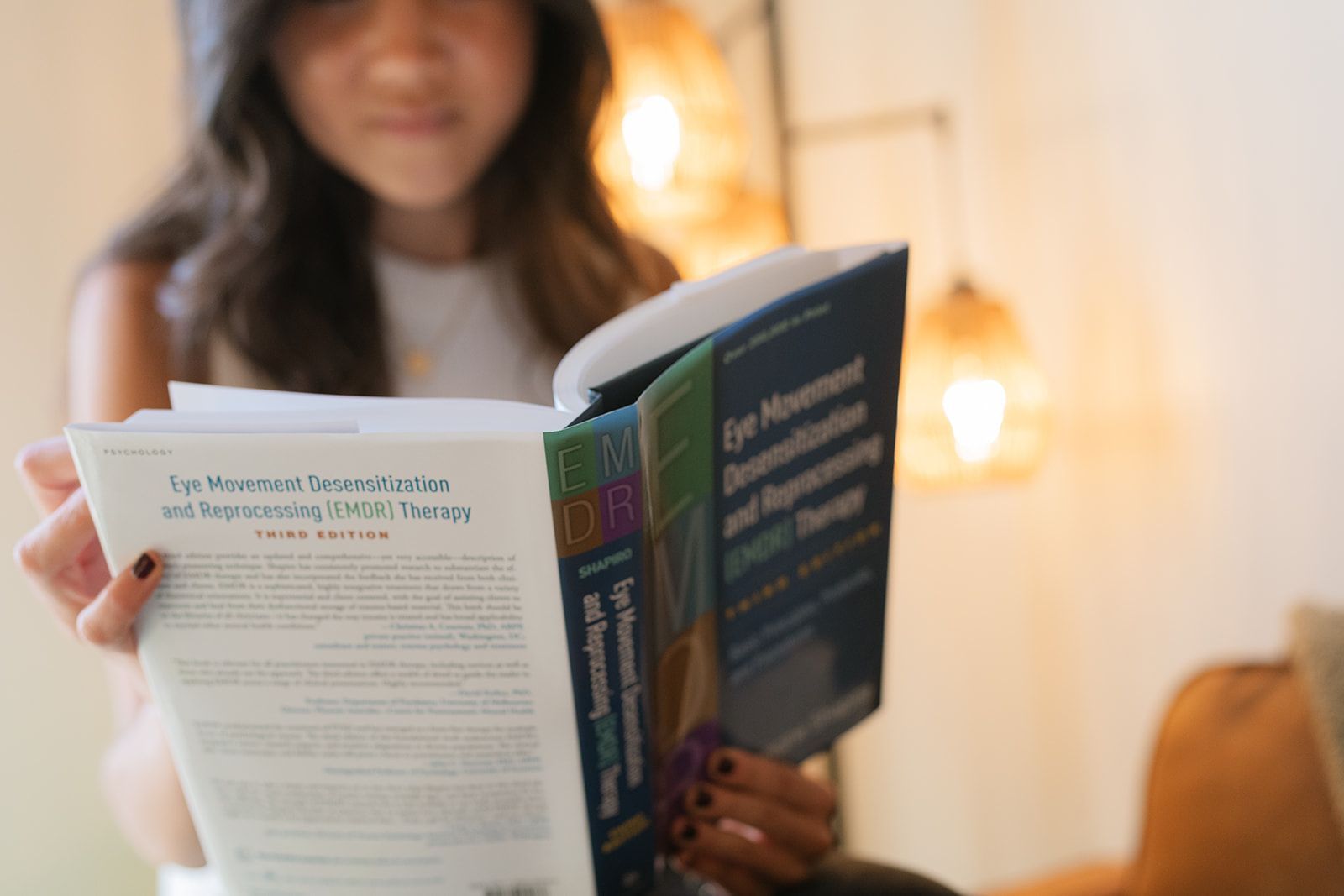
 EMDR therapy treats trauma that might underlie your eating disorder. Many people develop disordered eating after trauma. EMDR can help you process these experiences.


Trauma-informed yoga can help you reintroduce gentle movement that is designed to help regulate your nervous system.

Ask about their recovery philosophy. Do they focus on weight? Or on healing your relationship with food? This matters a lot.

Weight-neutral approaches focus on health behaviors, not body size. They reduce shame. They help you build a better relationship with food and your body.

At Houston Healing Collective, we use evidence-based therapies. We follow a Health at Every Size (HAES) philosophy. This means we focus on health, not weight. Our eating disorder therapy helps you find peace with food and your body.


Step 4: Check Their Experience With Other Mental Health Issues

Most people struggling with an eating disorder also have other mental health conditions. Anxiety, OCD, trauma, and depression often occur with eating disorders. Your eating disorder therapist should know how to treat these together.

OCD and eating disorders often happen together. Many people with anorexia have obsessive thoughts about food or body image. They might do compulsive exercise or check their body constantly. The need for control in OCD can fuel eating disorder symptoms. Exposure and response prevention (ERP) is a helpful OCD therapy and helps treat eating disorders as well.

Anxiety disorders affect most people with eating disorders. The intense fear in anorexia, worry about certain foods, and panic about eating in public all reflect anxiety. Good eating disorder treatment addresses these anxiety patterns.

Trauma is very common in people with eating disorders. Many develop disordered eating to cope with past trauma. An eating disorder therapist trained in trauma work can help you heal both.

Body image issues affect almost everyone with an eating disorder. Your therapist should help you challenge distorted body image. They should help build self-esteem that isn’t tied to body size.

Depression often comes with eating disorders, especially with bingeing and purging. The shame and isolation make depression worse. Treatment should address both conditions together.

At Houston Healing Collective, we treat complex cases. Our team knows how to work with eating disorders plus OCD, anxiety, trauma, or depression. We understand that eating disorder recovery means treating the whole person.


Step 5: Understand Their Body Image Philosophy

Your eating disorder therapist’s beliefs about bodies and weight will shape your recovery. Some therapists still promote weight loss or focus on body size. This can be harmful. It might make eating disorder symptoms worse.

Ask these questions:

“Do you believe health is possible at any size?” A therapist who understands HAES knows that bodies come in all shapes and sizes naturally. Health behaviors matter more than weight.

“How do you work on body image?” Healing body image is key to eating disorder treatment. Your therapist should help you accept your body and challenge messages from diet culture.

“What do you think about dieting and food rules?” Restriction often triggers bingeing. Rigid food rules keep eating disorder symptoms going. Your eating disorder therapist should help you eat flexibly, not create new rules.

“Can you help me heal my relationship with food?” Recovery means eating different foods without fear or shame. Your therapist should help you trust food again.

Warning sign: A therapist who talks about their own dieting or praises weight loss doesn’t understand eating disorder treatment. These attitudes keep eating disorders going.

Good sign: A therapist who uses weight-neutral language, validates all bodies, and focuses on healing your relationship with your body, food, and movement.

Houston Healing Collective takes a Health at Every Size approach. We don’t support diet culture or weight stigma. Our eating disorder therapy helps you make peace with food and your body. We don’t focus on weight loss.


Step 6: Think About Location and Session Type

Practical matters count when choosing an eating disorder therapist. Where is their office? Do they offer virtual sessions? What’s their schedule like?

In-person sessions let you meet face-to-face. This can help with some parts of eating disorder treatment. If you want in-person care, look for therapists with offices near you in Houston. Think about drive time and parking.

Virtual therapy gives you flexibility. You can access specialized care anywhere in Texas. Many people like the privacy of therapy from home. Virtual sessions work well for most eating disorder therapy.

Both options give you flexibility. You can do virtual sessions when it’s easier. You can come in person when helpful.

Houston Healing Collective offers both in-person eating disorder therapy in Bellaire and Houston and virtual therapy across Texas. You can choose what works best for you.


Step 7: Ask About Working With Other Eating Disorder Providers

Eating disorders affect your mental and physical health. Good treatment often involves a team. Your eating disorder therapist provides mental health support. A dietitian helps with food and nutrition. A doctor monitors your physical health.

Ask these questions:

“Do you work with a dietitian?” An eating disorder dietitian helps you restore normal eating. They work with your therapist to coordinate your care.

“Can you work with my doctor?” Medical monitoring matters, especially for anorexia or bulimia. These eating disorders can cause serious health consequences. Your therapist should communicate with your doctor.

“What if I need more intensive treatment?” Sometimes eating disorder symptoms get severe. You might need more support than weekly therapy. Your eating disorder therapist should know when you need treatment centers or higher levels of care.

Team care means all parts of your eating disorder get attention. Your eating disorder therapist, dietitian, and doctor work together to support you.

At Houston Healing Collective, we work closely with dietitians and doctors in Houston. We believe in team care. We’ll help connect you with other providers if you need them.

Step 8: Look for Inclusive, Affirming Care

Eating disorders affect people of all backgrounds. But treatment hasn’t always recognized this. Look for an eating disorder therapist who provides affirming care for all identities.

Consider these factors:

LGBTQIA+ care: LGBTQIA+ people experience eating disorders at high rates. This often connects to stress, body issues, or pressure to look a certain way. Your eating disorder therapist should understand these factors.

Cultural awareness: Body image ideals and food traditions vary across cultures. Your therapist should respect your background and understand how culture affects your experience.

Gender diversity: Eating disorders affect all genders, not just women. Men, transgender people, and nonbinary people often face extra barriers to getting help. Look for an eating disorder specialist who understands diverse gender experiences.

Economic factors: Money stress and lack of healthcare access affect eating disorder risk and recovery. Your therapist shouldn’t make assumptions about your situation.

Ask directly: “Do you work with diverse clients?” Their answer will show if they provide inclusive care.

Houston Healing Collective provides affirming care for everyone struggling with an eating disorder. We know eating disorders affect people of all identities. We work to understand each client’s unique background and needs.


Red Flags vs. Green Flags: What to Watch For

Certain signs help you identify who will provide good eating disorder treatment versus who might hurt your recovery.

Warning Signs:

  • Therapist talks about their own dieting or weight loss
  • Focus on weight or BMI as treatment goals
  • Praise for restriction or “clean eating”
  • Rigid meal plans without flexibility
  • Not taking your eating disorder symptoms seriously
  • No specialized eating disorder training
  • Won’t work with other treatment providers
  • Making you weigh yourself or focusing on the number
  • Using fear or shame to motivate change
  • Saying to “just eat normally” without addressing deeper issues

Good Signs:

  • Specialized eating disorder credentials and experience
  • Weight-neutral, HAES approach
  • Focus on healing relationship with food
  • Understanding of anxiety, OCD, or trauma with eating disorders
  • Willing to work with dietitians and doctors
  • Trauma-informed, affirming care for all people
  • Evidence-based therapies matched to your eating disorder
  • Compassionate, non-judgmental about all symptoms
  • Recognition that recovery looks different for everyone
  • Clear explanation of how treatment works

Trust your instincts. If something feels wrong about an eating disorder therapist, keep looking. The relationship matters for eating disorder recovery. You deserve someone who makes you feel safe and understood.


Frequently Asked Questions

  • How do I know if I need an eating disorder therapist?

    If you think a lot about food, weight, or body image, that’s a sign. If eating causes you stress, that’s a sign. If you restrict food, binge, purge, or exercise too much, you might need help. You don’t need to fit a diagnosis perfectly to get help from an eating disorder specialist.

  • What makes an eating disorder therapist different from a regular therapist?

    Eating disorder therapists have special training in the medical, mental, and behavioral parts of eating disorders. They know evidence-based eating disorder treatment methods. Regular therapists might not have this training. They could accidentally make disordered eating worse.

  • Will my therapist make me gain weight?

    A good eating disorder therapist who practices from a HAES perspective focuses on healing your relationship with food rather than pursuing weight loss. At the same time, eating disorders can put your physical health at risk. Some people with ARFID, bulimia, or other diagnoses may be undernourished or underweight. When your body is not getting enough nutrition to function well, medical support and nutritional restoration may be part of care. Your therapist works collaboratively with you and supports change in a safe, respectful way.

  • How long does eating disorder treatment take?

    This varies based on your disorder, how severe it is, and how long you’ve struggled. Some people improve in months. Others need years of support. Eating disorder recovery isn’t a straight line. What matters is finding an eating disorder therapist who supports you as long as you need.

  • Do I need a dietitian too, or just an eating disorder therapist?

    Most people benefit from both. Your therapist helps with the mental parts, anxiety, body image issues, trauma. The dietitian helps with meal planning and challenging food rules. Together, they address all aspects of your eating disorder.

  • What if I can’t afford eating disorder therapy?

    Houston Healing Collective provides superbills that you can submit to your insurance for possible reimbursement. Coverage depends on your individual plan, so we recommend contacting your provider to understand your benefits. Many clients also use their HSA to pay for sessions.


    Eating disorder specialists commonly operate on a private pay model. If cost feels like a barrier, ask about sliding scale options or payment plans. Some community clinics and treatment programs offer lower-cost eating disorder services. Support is available, and there are options to explore.

  • Can I do virtual eating disorder therapy?

    Yes. Virtual eating disorder therapy works well for many people. Research shows it can be as helpful as in-person sessions. It’s more convenient and accessible. However, if you need medical monitoring or are at high medical risk, some in-person care might be necessary.


Next Steps: Start Your Eating Disorder Recovery

Finding the right eating disorder therapist is crucial for healing. You deserve specialized care from an eating disorder specialist who understands your struggles and can guide your recovery.

At Houston Healing Collective, we provide eating disorder therapy for anorexia, bulimia, binge eating disorder, ARFID, and other forms of disordered eating. Our team offers:

  • Years of specialized eating disorder treatment experience
  • Health at Every Size, weight-neutral approach
  • Evidence-based therapies including DBT, EMDR, and trauma-informed care
  • Expertise with OCD, anxiety disorders, and trauma
  • Team care with dietitians and doctors
  • In-person therapy in Bellaire, Houston and virtual therapy across Texas
  • Affirming, compassionate care for all people

You don’t have to struggle with an eating disorder alone. Recovery is possible. The right eating disorder therapist can help you get there.

Ready to start eating disorder recovery?

Contact Houston Healing Collective today. Schedule a free 15-minute consultation with one of our eating disorder specialists. We’re here to support you

Houston Healing Logo

Healing Beneath the Surface

If you're in Houston or anywhere in Texas, and something in this article felt familiar, you don't have to keep figuring it out alone. Reach out today and book a free 15 minute consultation.


Recent Posts

By Jennifer Lancaster June 10, 2026
We're not here to tell you whether you should be on Ozempic and any GLP-1 medication. That conversation belongs between you and your doctor. And honestly? We know it's never that simple. The pressure to look a certain way is real. The medical system has complicated relationships with bodies that don't fit a narrow mold. And for a lot of people, starting a GLP-1 medication wasn't a casual decision. It came after years of navigating health concerns, provider recommendations, and a culture that never lets you forget what your body looks like. We see all of that. This post is for anyone who is currently taking a GLP-1 receptor agonist like semaglutide (sold as Ozempic or Wegovy), or who is in conversation with a provider about whether one might be appropriate. Either way, you deserve an honest, clinically grounded picture of what these medications actually do. The benefits, the nuance, and the risks that don't always make it into the conversation. 
By Jennifer Lancaster June 7, 2026
Trauma is often at the root of eating disorders. Learn how EMDR targets the memories, beliefs, and nervous system patterns that keep people stuck.

A ketamine therapist during a ketamine-assisted therapy session for eating disorder treatment in Houston.
By Jennifer Lancaster June 2, 2026
Eating disorders are neurologically entrenched. Learn how ketamine-assisted therapy opens new pathways for recovery — and how we approach it at HHC.

Person holding EMDR bilateral stimulation buzzers during a ketamine-assisted EMDR therapy session
By Jennifer Lancaster May 3, 2026
KA-EMDR combines low-dose ketamine with EMDR to reach trauma that standard therapy can't. Houston Healing Collective explains how it works and who it's for

Three people sitting and talking on a patio with wicker chairs and a small table of flowers
By Jennifer Lancaster April 30, 2026
Learn how trauma-informed family therapy supports eating disorder healing in Houston, TX. Expert, compassionate guidance for families. Book a free consult.

Two people talking on a couch in a bright living room, one seated with knees hugged to chest
By Jennifer Lancaster April 30, 2026
Discover the trauma link behind eating disorders. Houston Healing Collective explores how unresolved trauma drives disordered eating. Book a free consult.

I'm Jennifer Lancaster

Most of the people I work with look fine from the outside. High-achieving, capable, holding everything together. Underneath that, there's usually longstanding complex trauma, a lot of self-criticism, and a deep exhaustion from never quite getting to the root of it.


I've spent 15 years training specifically in the areas that are considered really difficult to treat. I'm not a cookie-cutter therapist, and I work best with people who aren't looking for quick fixes. If this feels like you, feel free to book a free 15-minute consultation.

Recent Posts:

By Jennifer Lancaster June 10, 2026
We're not here to tell you whether you should be on Ozempic and any GLP-1 medication. That conversation belongs between you and your doctor. And honestly? We know it's never that simple. The pressure to look a certain way is real. The medical system has complicated relationships with bodies that don't fit a narrow mold. And for a lot of people, starting a GLP-1 medication wasn't a casual decision. It came after years of navigating health concerns, provider recommendations, and a culture that never lets you forget what your body looks like. We see all of that. This post is for anyone who is currently taking a GLP-1 receptor agonist like semaglutide (sold as Ozempic or Wegovy), or who is in conversation with a provider about whether one might be appropriate. Either way, you deserve an honest, clinically grounded picture of what these medications actually do. The benefits, the nuance, and the risks that don't always make it into the conversation. 
By Jennifer Lancaster June 7, 2026
Trauma is often at the root of eating disorders. Learn how EMDR targets the memories, beliefs, and nervous system patterns that keep people stuck.
A ketamine therapist during a ketamine-assisted therapy session for eating disorder treatment in Houston.
By Jennifer Lancaster June 2, 2026
Eating disorders are neurologically entrenched. Learn how ketamine-assisted therapy opens new pathways for recovery — and how we approach it at HHC.
Person holding EMDR bilateral stimulation buzzers during a ketamine-assisted EMDR therapy session
By Jennifer Lancaster May 3, 2026
KA-EMDR combines low-dose ketamine with EMDR to reach trauma that standard therapy can't. Houston Healing Collective explains how it works and who it's for
Three people sitting and talking on a patio with wicker chairs and a small table of flowers
By Jennifer Lancaster April 30, 2026
Learn how trauma-informed family therapy supports eating disorder healing in Houston, TX. Expert, compassionate guidance for families. Book a free consult.
Two people talking on a couch in a bright living room, one seated with knees hugged to chest
By Jennifer Lancaster April 30, 2026
Discover the trauma link behind eating disorders. Houston Healing Collective explores how unresolved trauma drives disordered eating. Book a free consult.
Two people talking in a bright counseling office, one holding a notebook.
By Jennifer Lancaster April 28, 2026
Explore body image therapy in Houston, TX — trauma-informed care to help you heal your relationship with food, body, and yourself. Book a free consult.
Jennifer Lancaster practicing somatic breathwork in trauma-informed yoga for eating disorders
By Jennifer Lancaster April 26, 2026
Trauma-informed yoga for eating disorders rebuilds body connection through breathwork, somatic cues & nervous system regulation. Book a free consultation.
Stack of eating disorder recovery books on a marble countertop at a Houston eating disorder therapy
By Jennifer Lancaster April 26, 2026
Trauma is the missing piece in eating disorder recovery. Houston Healing uses EMDR, IFS & somatic therapy to go deeper. Book a free consultation.
Couple in a therapy session discussing desire discrepancy and sexual intimacy in Houston
By Jennifer Lancaster April 25, 2026
Different sex drives affect most couples. Learn what causes desire discrepancy, why emotional safety matters, and how couples therapy in Houston helps.